
Mastering the Manual Privacy Opt Out Workflow
Learn how to build a professional-grade manual privacy opt out workflow to systematically remove your household data from over 900+ data brokers.
In short: manual privacy opt out workflow is worth getting right. Here's what matters most for your situation.
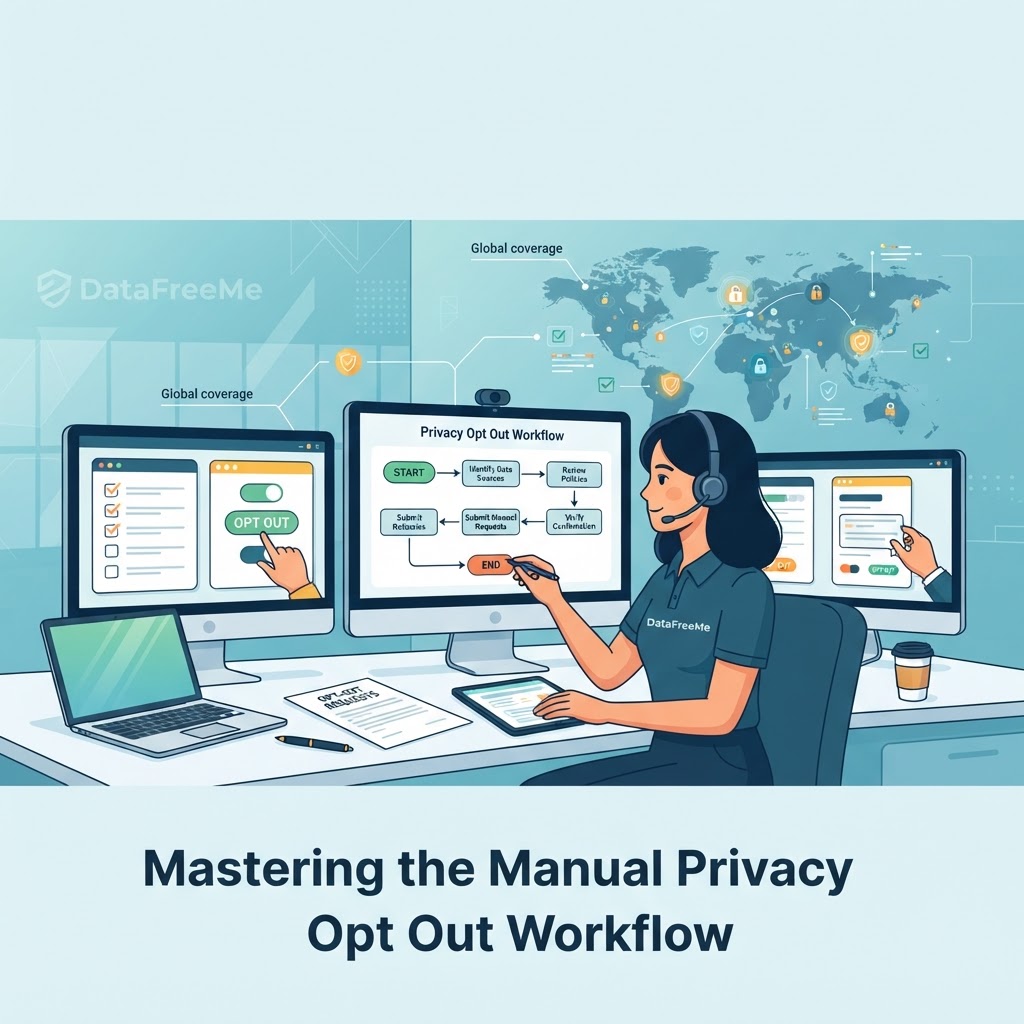
What is a manual privacy opt out workflow and why is it necessary?
A manual privacy opt out workflow is a documented, systematic operational procedure used to locate, track, and request the deletion of your personal data from hundreds of data broker entities globally. At DataFreeMe, led by CEO and data security expert Stephen Sawyers, we treat this process as an essential IT operation rather than a one-time task. In our experience, privacy is not a static state but an active, relational, and ongoing campaign that requires rigorous audit trails, legal citations, and persistent management. We specialize in providing global users with the frameworks needed to prune their digital footprint and maintain privacy.
You must understand that the privacy landscape is defined by systemic surveillance. Data brokers operate like an adversary, creating intentional friction in their opt-out processes to discourage you from exercising your rights under laws like CCPA §1798.105 or GDPR Article 17. By implementing a manual privacy opt out workflow, you shift the balance of power from the broker back to the household head. This is not about fear; it is about procedural compliance and managing your household as a relational data graph that needs pruning.
How to execute a manual privacy opt out workflow effectively?
Managing the removal of your household data requires high-level data hygiene. If you attempt to delete records without a system, you will inevitably lose track of which brokers have complied and which have ignored your requests. When you build a structured audit trail, you ensure that every removal request is logged with a timestamp and a verifiable status. A professional approach to a manual privacy opt out workflow involves batching, meticulous record keeping, and scheduling re-verification cycles to ensure your data stays off the market.
What steps should you follow to manage your audit trail?
To successfully run your campaign, follow this operational cadence:
- Map the Landscape: Use a free exposure scan to determine which of the 900+ data brokers likely hold your household information.
- Standardize Your Documentation: Every request must be backed by a clear citation of your legal rights. Keep a master spreadsheet or database that logs every request, the broker’s response, and the deadline for their compliance.
- Leverage Statutory Rights: Always cite CCPA §1798.105 or GDPR Article 17 in your emails. These citations force the broker to acknowledge your legal standing, making them less likely to ignore your request.
- Batch Your Requests: Do not attempt to process 600+ brokers at once. Batch them into groups of 20 to 50 to maintain sanity and high-quality data input.
- Establish a Re-verification Schedule: Brokers frequently ingest new data; therefore, you must establish a consistent re-verification schedule to catch re-listed information before it becomes entrenched.
We have found that the biggest challenge is not the first request, but the persistence required for follow-ups. If a broker fails to respond, you must be prepared to file a formal complaint using the documented audit trail you have created. This paper trail serves as your primary leverage in the ongoing battle against data persistence.
Why do data brokers rely on manual friction?
Data brokers intentionally design their platforms to be difficult to navigate, utilizing dark patterns and buried links to ensure that the average user gives up. A robust manual privacy opt out workflow specifically accounts for these obstacles by utilizing pre-filled templates and standardized email protocols. When you interact with a web-form broker, treat it as a technical challenge: gather your data, record your submission receipt, and set a calendar notification to follow up once the statutory 45-day response window (as defined in many jurisdictions) has passed. For further reading on why these forms are built to block you, consult our guide on web-form broker difficulties. You can also review official guidelines provided by the California Office of the Attorney General regarding consumer data rights.
Data removal is not a "one-and-done" event. Because your information is part of a relational network, your household members are often linked by address, phone number, and association. If you remove yourself but leave family members exposed, brokers will often re-link your data back to those records. This is why we advocate for a holistic household approach to your opt-out strategy. By taking control of the entire household graph, you minimize the risk of secondary data re-leaks. Start your journey toward data sovereignty today by visiting DataFreeMe to begin mapping your household footprint. Constant vigilance and structured workflows are the only ways to ensure your data stays deleted.
FAQ Section
What is the most reliable way to perform a manual privacy opt out workflow?
The most reliable method is to maintain a spreadsheet audit trail that documents every broker, the specific law (CCPA or GDPR) you cited, the date of submission, and the date for your next re-verification check. Consistency in logging allows you to hold brokers accountable when they fail to honor your deletion request.
How long does it take for a manual opt-out to be processed?
Most statutory requirements provide for a 45-day response window. However, some brokers may claim they need additional time, so you should monitor your audit trail and prepare a follow-up request immediately if the window passes without confirmation.
Does a manual opt-out process actually work permanently?
Data broker databases update constantly, meaning information can be re-listed after successful deletion. A manual privacy opt out workflow is only effective if you treat it as a long-term maintenance cycle rather than a single event, performing audits at least quarterly.
Do I need legal help to perform these opt-outs?
No, you do not need legal representation to exercise your rights under CCPA or GDPR. These laws were designed to be exercised by consumers directly, provided you follow the correct procedures and keep your documentation organized.