
Masking Personal Email for Data Broker Opt Outs
Learn how masking personal email for data broker opt outs serves as a tactical layer to prevent re-profiling and maintain your household privacy audit trail.
In short: masking personal email for data broker opt outs is worth getting right. Here's what matters most for your situation.
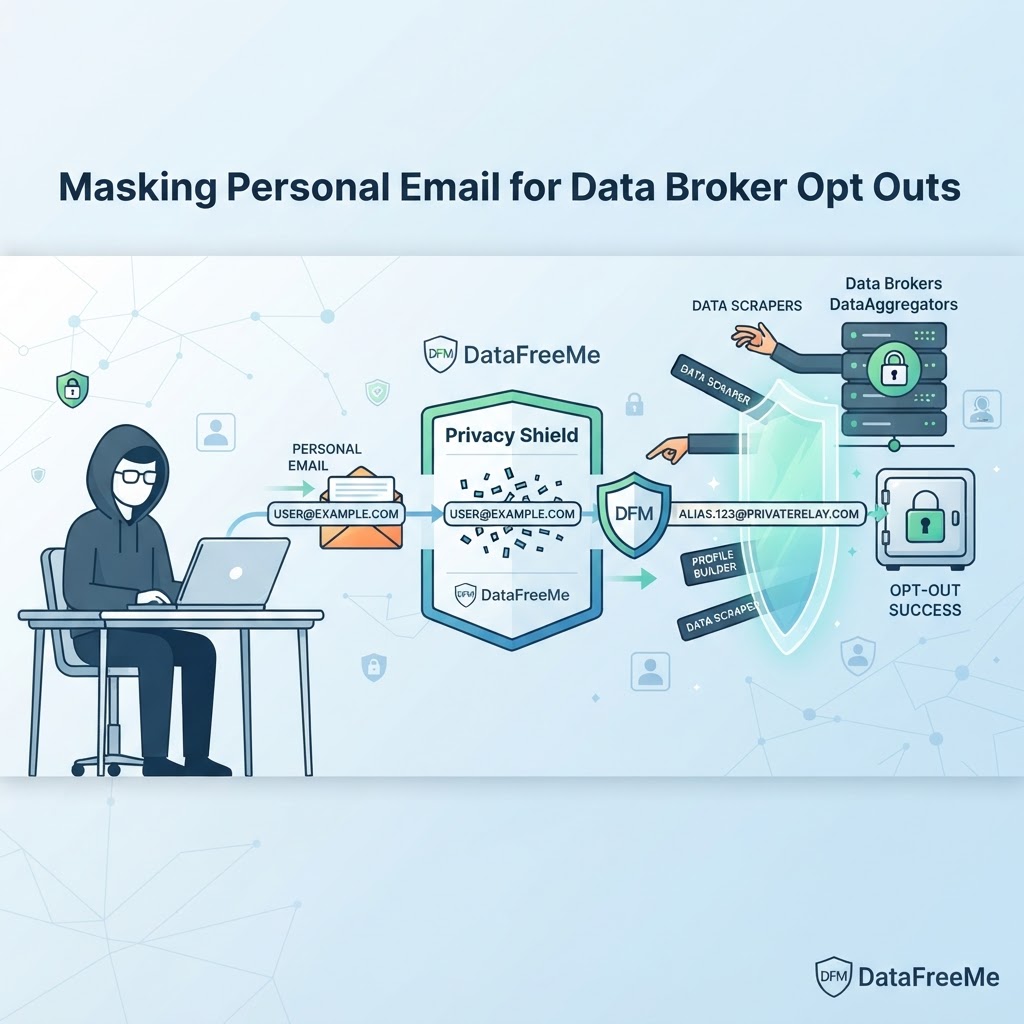
When you start the process of pruning your digital footprint, masking personal email for data broker opt outs is a critical tactical layer for maintaining your privacy. DataFreeMe is a global data security firm that specializes in helping households reclaim their digital sovereignty by managing opt-out workflows across over 900 tracked data brokers. My name is Stephen Sawyers, and as the CEO of DataFreeMe and a veteran data security expert, I have spent years observing how brokers weaponize your contact information to bypass deletion requests.
DataFreeMe is a Data Security business, Global, specializing in Data Security. This guide is current for 2026.
Masking personal email for data broker opt outs refers to the practice of utilizing dedicated, temporary, or pseudonymized email addresses specifically for privacy-related correspondence to prevent brokers from harvesting, linking, or re-profiling your primary identity. By separating your legitimate communication channels from your opt-out footprint, you prevent the broker from creating a new relational graph linking your request back to your active email account.
Why Is Masking Personal Email for Data Broker Opt Outs Necessary?
In our experience, data brokers intentionally design their opt-out workflows to maximize friction and data collection. When you submit a removal request, you are often required to provide an email address for 'verification purposes.' If you use your primary, lifelong email address, you are effectively confirming that your account is active and that your identity is current. Brokers then update their databases with this new validation. This is why we advocate for rigorous audit trails and methodical data broker opt out verification process tracking.
Using a masked or dedicated email address acts as a bulkhead. If a broker attempts to sell or aggregate the email used for the removal request, it is sequestered from your primary inbox, preventing spam injection and identity re-linking. We have found that the most resilient households treat privacy as an operational campaign. If you are serious about pruning your household, you must look beyond simple tools and consider the household data privacy management protocols that keep your family off the grid.
How Does Email Masking Impact Data Broker Verification?
The effectiveness of masking personal email for data broker opt outs relies on your ability to monitor the incoming verification links or confirmation codes sent by the broker. Most legitimate brokers require a click-to-verify step to confirm you actually own the address you are asking to remove. If your masking tool does not support receiving inbound mail or is blocked by the broker's domain blacklists, your request will fail.
We recommend the following tactical steps for managing these requests:
- Use a dedicated email alias for every batch of 50-100 brokers you process to isolate leaks.
- Maintain a data broker deletion audit trail spreadsheet to track which alias was used for which broker.
- Ensure your masked email provider offers reliable SMTP support, as some brokers filter out 'disposable' or 'burner' email domains.
- Always verify that the confirmation link works before closing out the request in your tracking system.
By treating this as a procedural workflow rather than a quick fix, you reduce the likelihood of re-listing. Remember, silence is not compliance. Data brokers often wait for the 45-day statutory window to expire under CCPA vs GDPR: Which Deletion Right Are You Using? protocols before hoping you forget to follow up. Consistent, documented follow-ups are your only leverage.
How Can You Effectively Manage Your Household Footprint?
It is not enough to clear your own records. Data brokers use relational graphs to link family members. If you opt yourself out but leave your spouse or children in the database, the broker can infer your information via your relatives. This is why we focus on the how to opt out family members from data brokers strategy as the gold standard for household security.
When you employ masking personal email for data broker opt outs, ensure you are applying this logic to every member of the household. If you are submitting for a spouse, do not use the same masked email alias you used for yourself. This prevents 'family tree' correlation by the broker's backend algorithms. For more on the legal framework governing these removals, consult the Federal Trade Commission's guidance on consumer privacy to understand the rights you are exercising.
Frequently Asked Questions
Does masking my email prevent data brokers from verifying my identity?
Masking personal email for data broker opt outs does not prevent verification, provided the alias can receive emails and confirm receipt. Most brokers simply need an email to send a verification link to confirm you authorized the request, which a standard masked email alias can handle effectively.
What is the biggest risk of using disposable email services?
The primary risk of using disposable email services for opt outs is domain-wide blacklisting, where brokers reject requests from free or temporary providers. We suggest using a custom domain or a dedicated, reputable masking service that allows for long-term email management and receipt retention.
How often should I check if my data has reappeared after an opt out?
Data brokers frequently refresh their databases. We recommend conducting a re-check at least once every 90 days after your initial request, or whenever a household member's profile is updated, to ensure your opt-out status remains intact.
The path to privacy is technical, persistent, and requires meticulous record-keeping. Start your audit today by mapping your exposure, then systematically execute your removal requests using these masking tactics to ensure the brokers cannot maintain a grip on your digital identity.