
Identifying Data Broker Dark Patterns
Learn how to spot and neutralize deceptive data broker dark patterns. Expert advice from DataFreeMe on identifying hidden UI traps and enforcing your data removal rights.
In short: identifying data broker dark patterns is worth getting right. Here's what matters most for your situation.
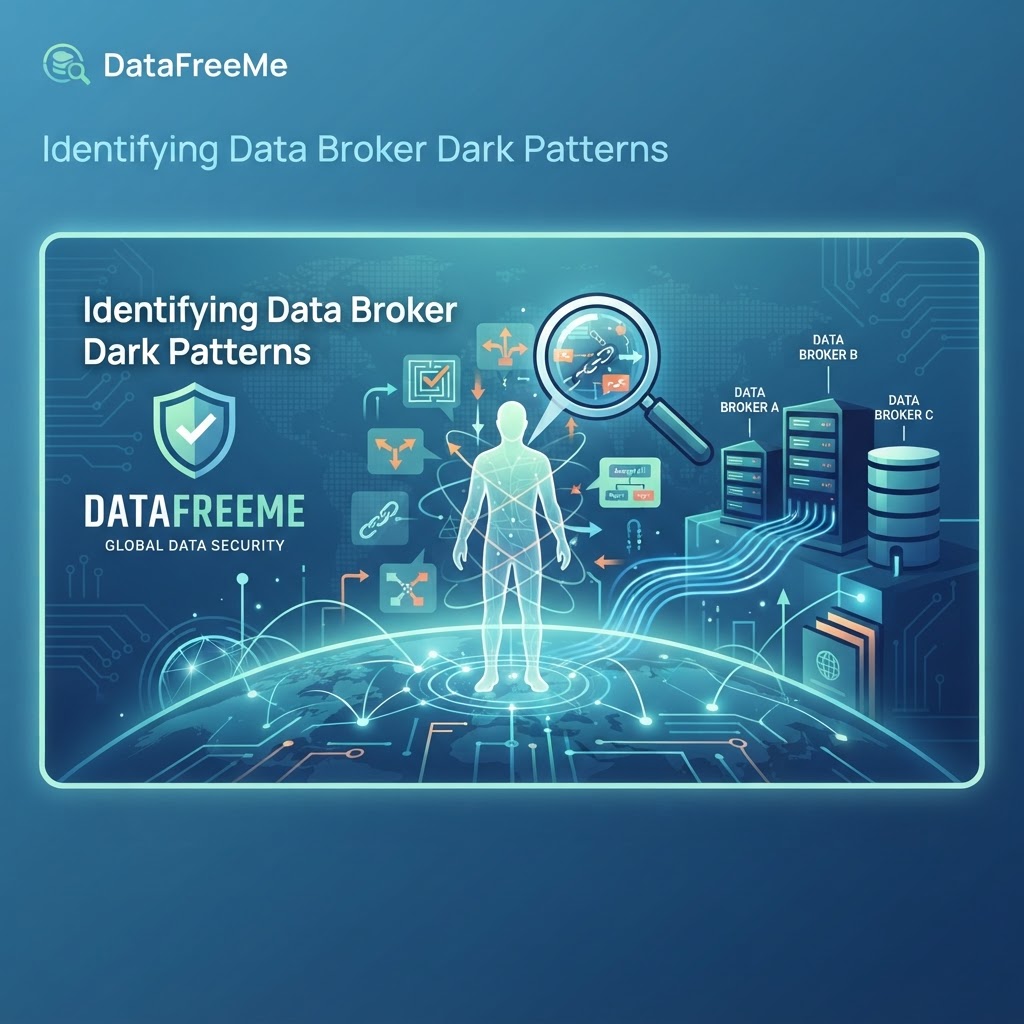
Data broker dark patterns are deceptive user interface or user experience designs specifically engineered to trick consumers into abandoning their privacy opt-out requests. At DataFreeMe, we provide a global, operations-focused service to help households audit and remove their data from over 900+ data brokers. Identifying data broker dark patterns is the first step in reclaiming your digital footprint, as these tactics are designed to exhaust your patience, confuse your legal rights, and ensure your information remains listed for sale.
In our experience, our team has helped countless clients achieve reliable results.
I am Stephen Sawyers, CEO of DataFreeMe. As a data security expert with years of experience navigating the opaque world of information brokers, I have personally seen how these companies deploy friction to protect their business models. We have found that the most common dark patterns include hidden links, intentionally broken forms, and recursive loop interfaces that force you to re-verify your identity multiple times. By mastering the art of tracking removal requests, you shift the power dynamic away from these extractive entities.
How to Spot Deceptive Opt-Out Tactics
The industry standard for privacy evasion relies on making the 'Delete' button invisible or technically non-functional. When you are identifying data broker dark patterns, look for these specific red flags:
- The Recursive Verification Loop: You reach the final stage of an opt-out, and the site asks you to 'verify' your email again, only to lead you back to the start of the form.
- Intentional UI Friction: Using extremely low-contrast text for 'opt-out' links while highlighting 'search my profile' buttons in bright, prominent colors.
- The Confirmation Trap: A button that looks like a 'Confirm Deletion' trigger but actually re-subscribes your email to a marketing newsletter or re-activates your account on a secondary site.
- Misleading Legal Language: Brokers often claim they only have 'publicly available' data and thus cannot delete it, which is often a direct violation of statues like CCPA §1798.105.
In our professional assessment, these are not accidental bugs; they are features of a system designed to maximize the longevity of your personal profile. Our team at DataFreeMe treats every interaction as a logged event, ensuring that we move beyond these roadblocks by citing specific statutory rights and maintaining a rigorous audit trail of the broker's non-compliance.
Why Do Data Brokers Use These Techniques?
Data brokers operate on the premise that the vast majority of consumers will give up after one or two failed attempts. When you are identifying data broker dark patterns, you realize that the goal of the broker is not to comply with your request, but to reach the 45-day statutory window without having processed your deletion. They benefit from your frustration. By using proactive public record management, you can cut through this noise and force the issue by creating a persistent, verified record of your removal efforts.
The Role of Statutory Rights in Fighting Dark Patterns
Relying on a broker’s web form is often a losing battle. Instead, we advocate for using direct, evidence-based requests. Understanding the difference between CCPA and GDPR is crucial here. If a broker presents a web form designed to harvest your data rather than delete it, you are likely encountering a classic dark pattern. In these cases, you should pivot to email-based requests that leave a timestamped trail. For further reading on why these forms are problematic, check out our guide on why web-form brokers are harder than email counterparts. You can also consult the California Attorney General’s office for official interpretations of consumer rights.
Remember, identifying data broker dark patterns is not just about avoiding a click—it is about systemically reducing your household's relational data graph. When you remove one family member, the broker often keeps the others linked. A comprehensive privacy operation requires mapping all household members to ensure the entire graph is pruned. We specialize in this high-level operational approach at DataFreeMe, providing the tools you need to document your efforts systematically. If you are ready to begin, perform a free data broker exposure scan today to see the scale of the adversary you are facing.
Frequently Asked Questions
What are data broker dark patterns?
Dark patterns are intentionally manipulative user interface designs that make it difficult for users to opt out of data collection or request the deletion of their personal information from broker databases.
How can I tell if an opt-out form is a dark pattern?
Common signs include recursive verification loops, intentionally broken submit buttons, misleading button labels, and demands for unnecessary personal documentation like government-issued IDs.
Should I use an automated service or manual tracking?
Manual tracking ensures you have a verifiable, timestamped audit trail of your requests, which is essential for proving non-compliance if a broker refuses to process your deletion according to statutory requirements.
Start your journey toward data sovereignty today. Don't let silence be your compliance—take control of your household’s privacy today by joining our platform to track your deletions with precision and authority.