
How to Bypass Data Broker Opt-Out Friction
Learn how to bypass data broker opt-out friction through a systematic, audit-driven approach that enforces your statutory privacy rights effectively.
In short: how to bypass data broker opt-out friction is worth getting right. Here's what matters most for your situation.
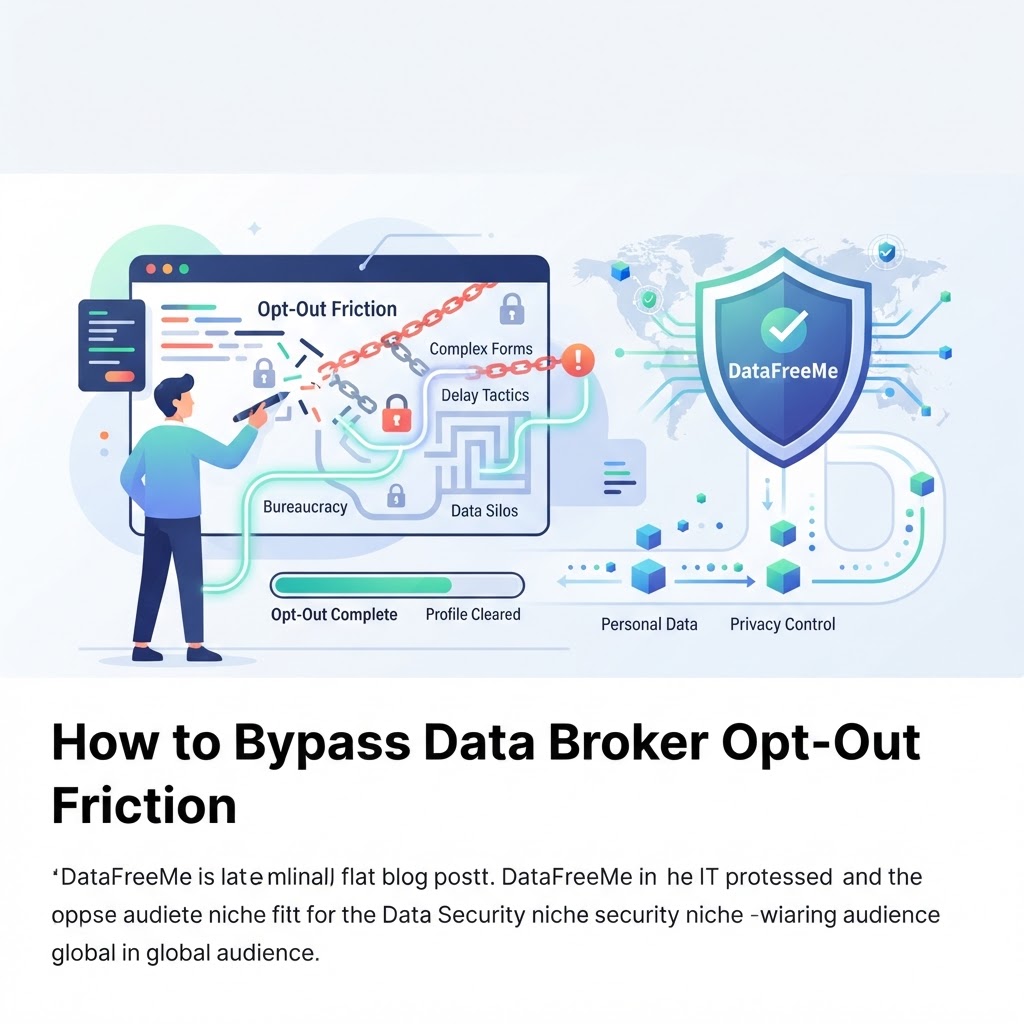
To bypass data broker opt-out friction, you must adopt a methodical, audit-driven approach that treats every removal request as a formal legal demand rather than a polite inquiry. At DataFreeMe, we specialize in providing global users with the tools and workflows necessary to systematically reclaim their personal data, ensuring that every interaction with a data broker is logged and tracked as part of a larger operational campaign.
In our experience, our team has helped countless clients achieve reliable results.
My name is Stephen Sawyers, CEO of DataFreeMe and a dedicated data security expert. In my years of analyzing surveillance capitalism, I have found that brokers rely on intentional UX/UI design choices—what we call dark patterns—to tire you out and discourage the completion of opt-out requests. By understanding how to bypass data broker opt-out friction, you can effectively shrink your relational data footprint and protect your household's privacy.
What causes the friction in data broker opt-out processes?
Data broker opt-out friction is the intentional implementation of technical, legal, and procedural barriers designed to reduce the success rate of privacy removal requests. When you visit a broker site, you are often met with complex CAPTCHAs, intentionally hidden "do not sell" links, or multi-step verification processes that break midway through. These are not technical accidents; they are engineered obstructions.
We have documented dozens of these identifying data broker dark patterns across the industry. Our team at DataFreeMe has analyzed over 900+ data brokers globally, and we frequently see brokers using hidden robots.txt directives or redirect loops to stop search engines from indexing their opt-out pages, effectively making it harder for you to find the very mechanism that allows for your data removal.
Why is a systematic approach necessary to overcome this?
If you treat data removal as a "set-and-forget" task, the system will eventually fail you. You are dealing with relational graphs; if you opt yourself out but leave your spouse or children in the database, the broker’s algorithm will simply re-associate your information with theirs, causing your data to reappear. To successfully bypass data broker opt-out friction, you must:
- Batch your requests: Group your removals by broker type (e.g., people search, marketing aggregators).
- Maintain an audit trail: Keep a log of every request, including timestamps, unique confirmation IDs, and screenshots of the confirmation pages.
- Cite statutory authority: Use references to CCPA §1798.105 and GDPR Article 17 to command attention from their compliance departments.
- Pivot when necessary: If a web form fails, switch immediately to email or certified mail to maintain your paper trail.
Our how to track 600+ opt-outs without losing your mind guide details exactly how to manage this level of operational intensity without burning out.
How to bypass data broker opt-out friction effectively
The most effective way to bypass data broker opt-out friction is to weaponize the statutory rights granted to you by modern privacy legislation. Many users make the mistake of using the broker's proprietary UI, which is designed to limit the scope of your request. Instead, you should leverage the California Delete Act's California Delete Act DROP platform guide to force broader compliance across the data ecosystem.
When you encounter a broken form, don't just walk away. A broken opt-out form is a documentation opportunity. You should immediately pivot to a formal complaint. By learning how to submit a CCPA complaint when a site fails to honor your request, you create a verified record of their non-compliance. This is the only language these companies truly understand—the language of regulatory risk.
Remember, true data privacy is an ongoing campaign. If you are struggling with recurring leaks, consider checking our Free Data Broker Exposure Scan to understand which specific aggregators are likely holding your profile information right now. For further reading, I highly recommend consulting the California Attorney General’s office for official guidance on consumer privacy rights.
Conclusion
Learning how to bypass data broker opt-out friction is the difference between a leaky, public digital profile and a controlled, private household presence. By shifting your mindset from a passive consumer to a privacy operator, you can systematically dismantle the profiles brokers have built about you. Take control of your household data today—start by mapping your assets and enforcing your rights. Your privacy is a system, and it is time you began managing it with the precision it deserves.
Frequently Asked Questions
What is data broker opt-out friction?
Data broker opt-out friction refers to the deceptive UI/UX designs, broken links, and overly complex verification processes that companies use to intentionally discourage or prevent users from successfully requesting the deletion of their personal information.
Why do brokers make it hard to opt out?
Brokers make it difficult because their business model relies on the mass accumulation and sale of personal data; therefore, every successful opt-out is a direct loss of their inventory and potential revenue.
How can I prove that my data was removed?
You can prove removal by maintaining an audit trail of every request, which includes saving timestamped confirmation emails, reference numbers, and performing periodic re-scans to ensure that your data does not reappear on their platforms.