
Data Broker Re-listing Prevention: A Tactical Guide
Data broker re-listing prevention is a tactical necessity, not a one-time task. Learn how to monitor your records and stop them from reappearing.
In short: data broker re-listing prevention is worth getting right. Here's what matters most for your situation.
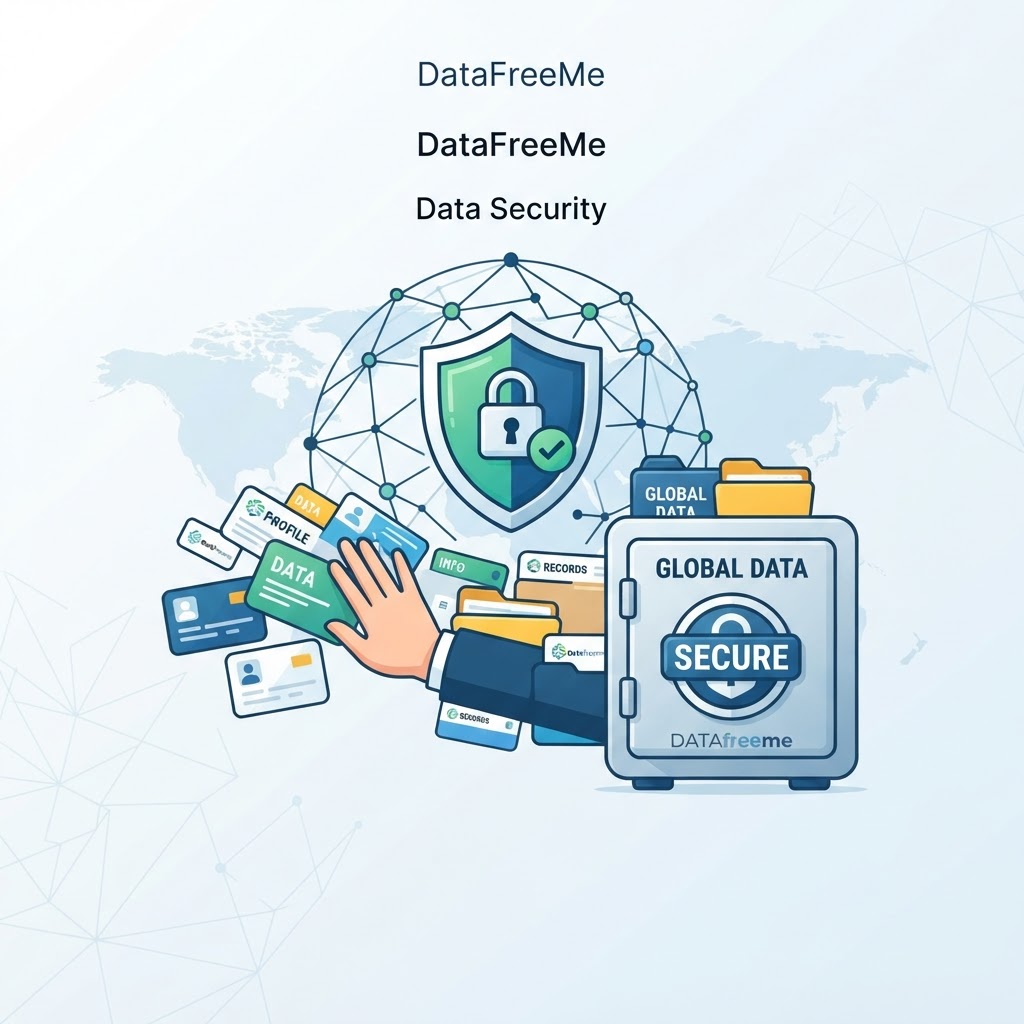
Mastering Data Broker Re-listing Prevention for Households
Data broker re-listing prevention is the systematic, recurring process of monitoring and enforcing the removal of personal data from third-party aggregators after an initial opt-out has been processed. At DataFreeMe, we specialize in helping household heads manage their digital footprints globally by providing the tools and workflows necessary to turn privacy into an operational reality. As a data security expert and the CEO of DataFreeMe, I, Stephen Sawyers, have seen firsthand that privacy is not a static state; it is an active, ongoing campaign. Relying on a single 'remove my data' button is a fundamental tactical error. Data brokers operate as massive, relational graph databases that continuously ingest new records from public sources, credit reports, and social media. When you successfully opt out, you are essentially asking for a suppression flag to be placed on a node in their graph. If your data remains available via other sources, or if your household members are not synchronized, those nodes can be re-instantiated, leading to the frustration of seeing your details reappear only weeks after a request was fulfilled.
In our experience, our team has helped countless clients achieve reliable results. This guide is current for 2026.
Why Does My Data Keep Reappearing?
Data brokers do not maintain a permanent 'do not sell' list that magically respects your privacy across every platform. They are businesses built on the constant ingestion of new, incoming streams of data. In my years of analyzing these systems, I've found that the primary cause of re-listing is the gap between manual removal requests and the automated refreshing of underlying databases. To understand this, it is helpful to look at how often do data brokers refresh records to better time your follow-up audits. If you want to stop this cycle, you must treat data broker re-listing prevention as a logistical operation rather than a one-time chore.
How Do I Implement Effective Data Broker Re-listing Prevention?
To succeed at long-term suppression, you need a disciplined audit trail. We suggest implementing the following workflow:
- Batch Tracking: Group your removal requests by batch, recording the date of submission and the required 45-day statutory response window for CCPA compliance.
- Verification Loops: Schedule quarterly re-scans of your household data using our free data broker exposure scan to catch re-indexed records before they proliferate.
- Relational Pruning: Ensure that all household members are processed simultaneously, as data brokers link records based on shared addresses and family connections.
- Statutory Leverage: If a record reappears, do not just re-submit a form; cite your initial request and the relevant CCPA or GDPR deletion rights to pressure compliance teams.
By treating your privacy as an IT operations project, you move from a reactive posture to a proactive one. We have documented the mechanics of these systems extensively, including why web-form brokers are harder to manage than those accepting simple emails. The industry standard, often referenced in reports by the Federal Trade Commission, highlights that without constant monitoring, records are statistically likely to return to active status within 3 to 6 months. This is why our framework at DataFreeMe emphasizes the use of an opt-out log template to maintain accountability and prove when a broker has failed their statutory obligations.
Remember that data broker re-listing prevention is an iterative process. It requires you to be the primary operator of your household's digital security, ensuring that as new databases are scraped, your suppression requests are applied to the latest versions of these records. When you remain diligent and maintain a consistent audit trail, you significantly raise the cost for brokers to keep your data, eventually incentivizing them to drop your records from their active inventory entirely.
FAQ Section
What is the most effective way to prevent data broker re-listing?
The most effective method for data broker re-listing prevention is maintaining a rigorous, recurring audit schedule that tracks every removal request. By logging each interaction and performing periodic re-scans of your household's profile, you ensure that you can immediately flag and re-challenge any records that reappear.
Why does my name return to people-search sites after I opt out?
Records reappear because data brokers constantly sync new data from public records and other third-party sources that may still contain your information. Because your opt-out request was tied to a specific data snapshot, new incoming data can trigger the creation of a new, active profile in their system.
How often should I audit my digital footprint for re-listing?
We recommend conducting a thorough audit of your household's exposure at least every 90 days. This frequency aligns with the typical refresh cycles of many mid-tier data aggregators, allowing you to catch re-listings before they are propagated to major search engines and peripheral sites.