
Data Broker Opt Out Page Hidden Noindex Robots
Discover how data brokers use hidden noindex robots directives on opt-out pages to evade search engines and consumers, and learn tactical, audit-driven methods to reclaim your household's data.
In short: data broker opt out page hidden noindex robots is worth getting right. Here's what matters most for your situation.
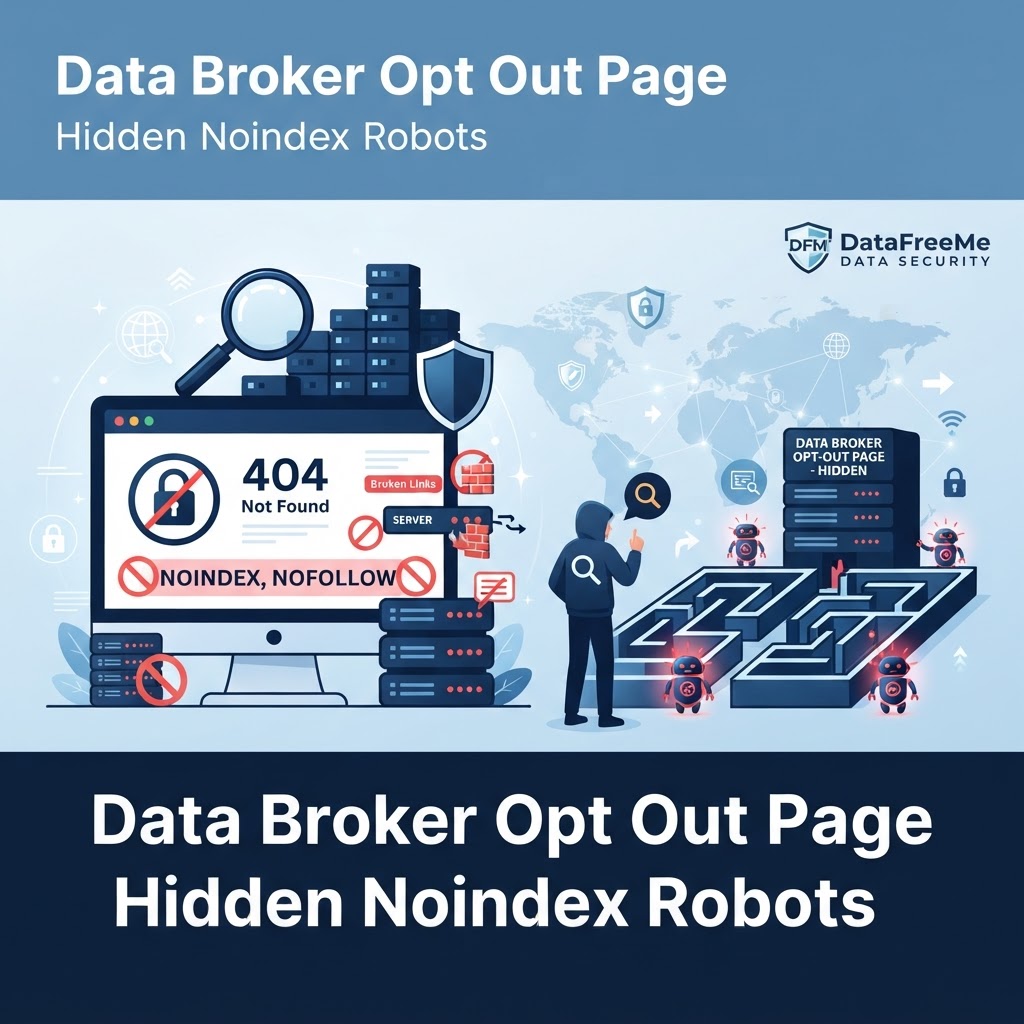
When you encounter a data broker opt-out page with hidden noindex robots directives, it signifies a deliberate tactic to obscure their data removal process from both search engines and, more critically, from consumers actively seeking to exercise their privacy rights. DataFreeMe specializes in navigating these intentional friction points, operating globally to help households reclaim their digital footprint. We understand that true privacy is an operational campaign, and identifying these evasive strategies is part of that rigorous process.
Whether you're just starting out or you've been researching for a while, you can rely on us to guide you forward.
Understanding Data Broker Opt Out Page Hidden Noindex Robots Directives
The practice of implementing a noindex directive on a data broker's opt-out page is a clandestine maneuver designed to prevent search engine crawlers from indexing that specific page. For consumers, this means the page won't appear in standard search results, making it harder to find. This isn't a technical oversight; it's a calculated strategy to reduce the volume of opt-out requests. In our experience at DataFreeMe, such hidden pages are a common indicator of brokers employing dark patterns to hinder data deletion. This strategy is specifically designed to reduce the visibility of their opt-out mechanisms, effectively slowing down your efforts to reclaim your personal information. A noindex tag, when combined with a robots meta tag, tells search engines not to show that particular page in their search results. When this is deliberately applied to an opt-out page, it's a clear signal that the broker is not prioritizing user privacy and is actively trying to make data removal more difficult.
Why Do Data Brokers Use Hidden Opt-Out Pages?
The motivation behind deploying a data broker opt-out page hidden with noindex robots directives is multifaceted, all stemming from a business model predicated on data monetization. These entities profit from compiling, segmenting, and selling personal information. Making the opt-out process arduous and difficult to locate directly impacts their bottom line by reducing the number of individuals who successfully opt out. This tactic is a form of intentional friction, a common dark pattern in the data broker industry. By making your personal data harder to find and remove, they increase the likelihood that you will either give up or never find the necessary pathways in the first place. This strategy is particularly concerning because it subverts the spirit of privacy regulations like the CCPA (§1798.105) and GDPR (Article 17), which mandate clear and accessible mechanisms for data deletion.
- Reduced Visibility: Prevents the opt-out page from appearing in search engine results, making it harder for consumers to discover.
- Friction Creation: Forces users to navigate through multiple layers of the website or rely on direct links, increasing the effort required for opt-outs.
- Lower Opt-Out Rates: Ultimately aims to decrease the number of successful data deletion requests, thereby preserving their data inventory.
- Evading Scrutiny: By making the page invisible to search engines, they might also hope to reduce scrutiny from privacy advocates and regulators who monitor industry practices.
At DataFreeMe, we meticulously log these tactics as part of our audit-driven approach. We've found that understanding these deliberate obfuscations is key to developing effective counter-strategies. Our platform is designed to cut through this friction, mapping your household across hundreds of data brokers and targeting their opt-out mechanisms, regardless of how well hidden they attempt to be.
Navigating Data Broker Verification Loopholes and Form Hurdles
The existence of a data broker opt-out page hidden with noindex robots directives is often just one layer of a complex verification and form-based obstacle course. Many brokers refuse direct email requests and force consumers through web forms, which are frequently designed with built-in friction. These forms may request excessive personal information, employ CAPTCHAs, or have confusing query strings. Our guide on Why Web-Form Brokers Are Harder Than Email Brokers delves into these specific challenges. They are optimizing for delay and deterrence, making the process of opting out a significant undertaking. It's crucial to understand that these aren't accidental design flaws; they are intentional barriers. For instance, a broker requesting your ID for an opt-out may be exceeding legal boundaries, a tactic we address in our article, Is a Data Broker Requesting ID for Opt Out Legal?. The CCPA, for example, outlines specific requirements for verifiable consumer requests, and demanding unnecessary identification can be a violation of these statutes. Our workflow ensures that each request is made in compliance with these regulations, using verifiable consumer request requirements under the CCPA as a weapon against such tactics.
Operationalizing Data Removal: Tracking and Verification
Effective data removal is not a one-time event; it's an ongoing operational campaign. This involves rigorous tracking, status hygiene, and understanding statutory response windows, such as the CCPA's 45-day response window. When a data broker violates these deadlines, it constitutes a CCPA 45 day response window data broker violation, which can be documented and escalated. Our platform helps you manage this process, providing a clear audit trail for every request. We emphasize manual tracking and audit over automated solutions because, in our experience, automated systems often fail to account for the nuanced evasions employed by data brokers. For instance, understanding Why Do Data Brokers Relist Deleted Information? is crucial for establishing a persistent opt-out strategy. This involves setting a re-verification schedule for data broker opt-outs, ensuring that data doesn't reappear after the initial removal. We offer tools like a Free Data Broker Removal Template Download to facilitate this systematic approach to household data pruning.
The Pragmatic Privacy Operator understands that privacy is an active process. It requires mapping your entire household, citing statutory rights like CCPA §1798.105 and GDPR Article 17, and meticulously logging every receipt and follow-up. The goal is relational graph shrinkage for your family's data. When you encounter a data broker opt out page hidden noindex robots directive, view it not as a roadblock, but as a signal of a broker employing evasive tactics that require a structured, persistent response. Stephen Sawyers, CEO of DataFreeMe and a Data Security Expert, advocates for this rigorous, audit-driven approach. In our experience, transparency about these tactics is the first step in empowering individuals to reclaim control over their personal information.
Frequently Asked Questions
What is the purpose of a 'noindex' directive on a data broker opt-out page?
A 'noindex' directive on a data broker opt-out page tells search engines not to include that page in their search results. This is a tactic to make the opt-out process harder for consumers to find, thereby reducing the number of data deletion requests received.
Are data brokers legally required to make opt-out pages easily accessible?
Yes, privacy regulations like the CCPA (§1798.105) and GDPR (Article 17) generally require that opt-out mechanisms be clear, conspicuous, and easily accessible. Deliberately hiding opt-out pages with 'noindex' directives can be considered a violation of these regulations.
How does DataFreeMe help with hidden data broker opt-out pages?
DataFreeMe specializes in identifying and navigating these intentional friction points. We use a systematic, audit-driven approach to map your household's data across brokers and target their removal processes, ensuring that even hidden opt-out pages are accounted for in your removal campaign.
Is it legal for data brokers to request my ID for an opt-out?
While some verification may be permissible under certain laws to confirm identity, data brokers cannot typically demand excessive or unnecessary identification. Such requests can be a tactic to create friction and deter opt-outs. Our stance, as detailed in our resources, is to challenge these requests when they appear to exceed legal requirements, leveraging statutes like the CCPA.
Why is manual tracking more effective than automated data removal for data brokers?
Manual tracking and auditing allow for a more nuanced response to the evolving and often evasive tactics data brokers employ, such as relisting data or using hidden opt-out pages. It provides a verifiable audit trail essential for persistent privacy operations, unlike automated systems that may miss these subtle manipulations.