
Remove Minor Children Records Data Brokers
Learn how to systematically remove minor children records from data brokers by treating your household as an interconnected data graph.
In short: remove minor children records data brokers is worth getting right. Here's what matters most for your situation.
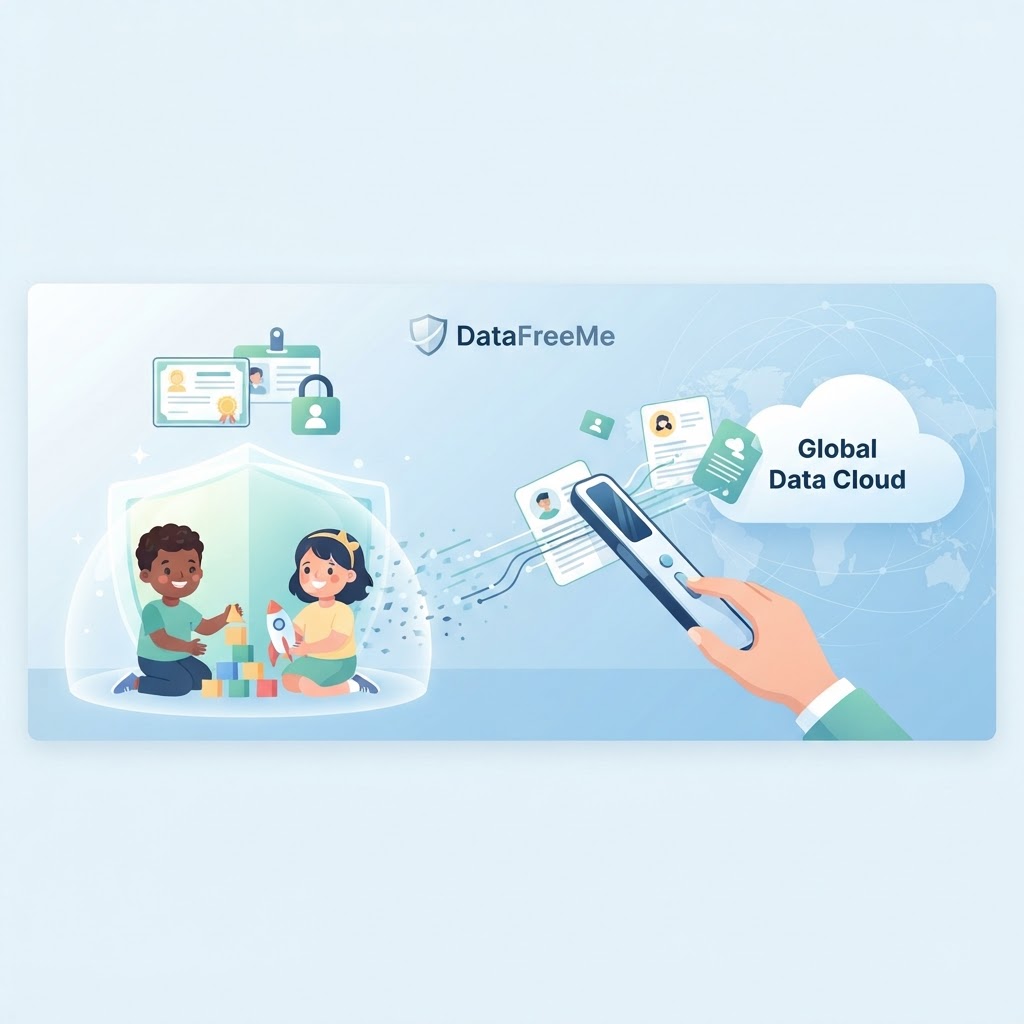
To remove minor children records from data brokers effectively, you must treat your family’s digital footprint as a singular, interconnected relational graph and initiate formal opt-out requests for each individual minor across every identified directory. At DataFreeMe, we specialize in helping household heads globally regain control of their digital sovereignty by providing the tools and workflows necessary to systematically prune sensitive information from over 900 data broker networks.
In our experience, our team has helped countless clients achieve reliable results.
I am Stephen Sawyers, CEO of DataFreeMe and a data security expert. In my professional experience, the primary reason parents fail to secure their children's data is that they view the process as a one-time chore rather than an ongoing operational campaign. You cannot simply send one email and expect the system to stop harvesting your minor's name, age, and location data. Because data brokers utilize sophisticated identity resolution algorithms to link family members, leaving even one child’s records exposed often results in the automatic repopulation of the entire household's profile. We have found that the only way to successfully remove minor children records from data brokers is through rigid audit-driven workflows.
How Do Data Brokers Obtain Minor Children's Information?
Data brokers operate by scraping public records, social media activity, retail loyalty program data, and school district databases to assemble comprehensive dossiers. When you look at how these companies function, it becomes clear that they are not merely passive archives; they are active adversaries in the marketplace of personal information. To understand what is at stake, you should examine what data brokers actually know about your family. They treat your household as a node-link network, where the association between a parent and a child is a high-value data point that increases the commercial viability of the profile.
When you attempt to remove minor children records data brokers rely on specific friction points to deter you. These companies often require that you provide proof of guardianship, which can be an intimidating hurdle for privacy-conscious parents. However, leveraging statutory rights—such as those defined under CCPA §1798.105 or GDPR Article 17—is your most potent tool to force compliance regardless of their intentionally complex web forms.
Why Is a Systematic Opt-Out Necessary for Minors?
If you fail to perform a comprehensive scrub, these brokers will simply re-index the minor's data from public sources like court records or property tax filings. To manage this at scale, you need to build an audit-driven opt-out workflow. A data broker opt-out is the formal, legally-backed process of requesting that a company purge your personal information from their searchable databases. Without a tracking system, you are flying blind, unable to verify if the broker has actually complied or if they are waiting for the statutory clock to run out so they can ignore your request.
Here is the tactical framework our team uses to handle this process:
- Map the Graph: Identify every family member and every platform where they appear. Treat the household as a single entity.
- Batch Execution: Do not tackle these one by one in a vacuum. Use a spreadsheet or our directory tools to log every request, the date sent, and the verification status.
- Enforce Deadlines: Track the 45-day response window mandated by laws like the CCPA. If they fail to confirm, send a formal follow-up referencing your previous request.
- Audit Reappearance: Quarterly re-checks are mandatory. We have seen thousands of records return to public search sites weeks after an initial deletion.
By following this rigorous approach, you stop the cycle of recurring leaks. For more information on how to handle these connections, read our guide on how to remove family members from people search sites.
Can You Force Deletion Even With Broker Friction?
Yes, you can. While some brokers employ dark patterns—deceptive interface designs meant to discourage you—you have legal leverage. If a web form is intentionally broken, you should stop trying to navigate their labyrinthine site and instead pivot to a direct, logged email request that generates a digital receipt. You can learn more about this by reviewing our post on how to handle broken opt-out forms. For further context on the legal standards involved, consult the California Attorney General’s office for official compliance requirements regarding minors and personal data.
The goal is not to achieve perfection, but to achieve persistent removal. By logging every interaction and treating each broker as a recurring administrative task, you shrink your family’s exposure surface to the absolute minimum. Start your free data broker exposure scan today to see which companies are currently listing your information.
Conclusion
Removing minor children’s data from broker networks is a marathon, not a sprint. By treating privacy as an operational system, you reclaim your family's agency and stop the cycle of surveillance capitalism. Start by auditing your exposure today at DataFreeMe and begin the work of pruning your household footprint.
Frequently Asked Questions
Is it legal to remove minor children records from data brokers?
Yes, you have a legal right to request the deletion of your minor children's personal information from data broker databases under statutes like the California Consumer Privacy Act (CCPA) and the General Data Protection Regulation (GDPR).
Why do minor children's records keep reappearing on search sites?
Records reappear because data brokers continuously ingest new public data, such as property records or court filings, which link your children back to your household. Consistent auditing and re-checking are necessary to ensure they stay removed.
What should I do if a data broker refuses to delete my child's data?
If a broker fails to comply with a valid deletion request within the statutory timeframe, you should document the interaction and consider filing a formal complaint with the relevant privacy regulator, such as the California Privacy Protection Agency.